Burbank Housing
George’s Hideaway Supportive Housing
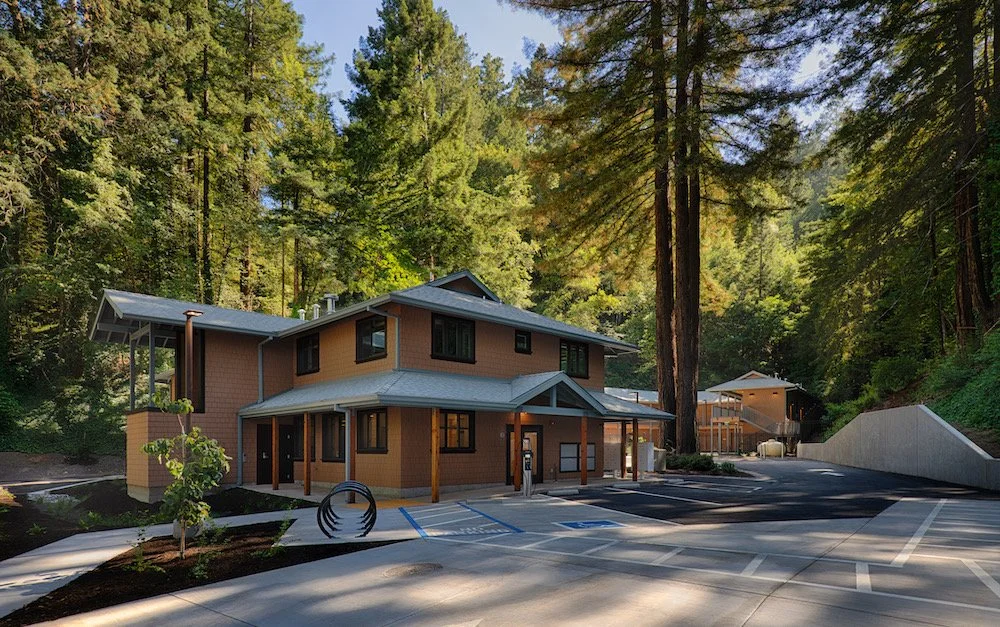
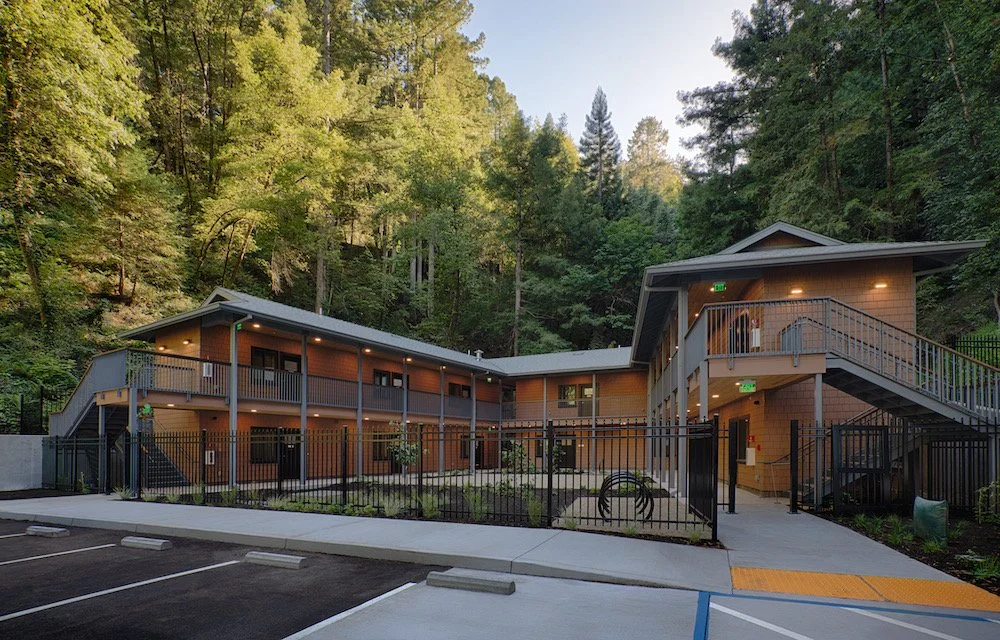
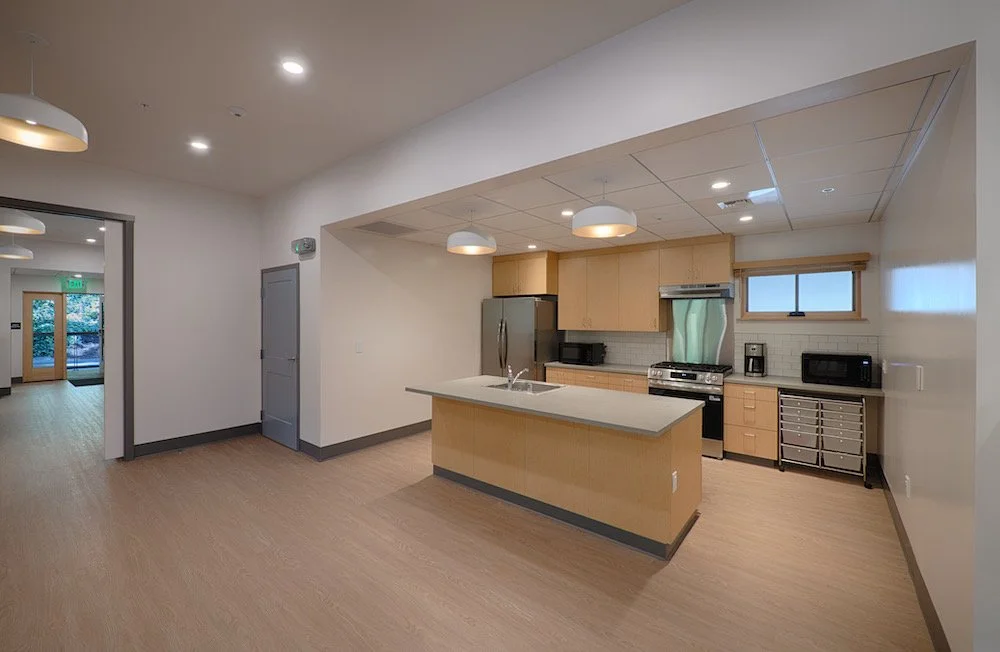
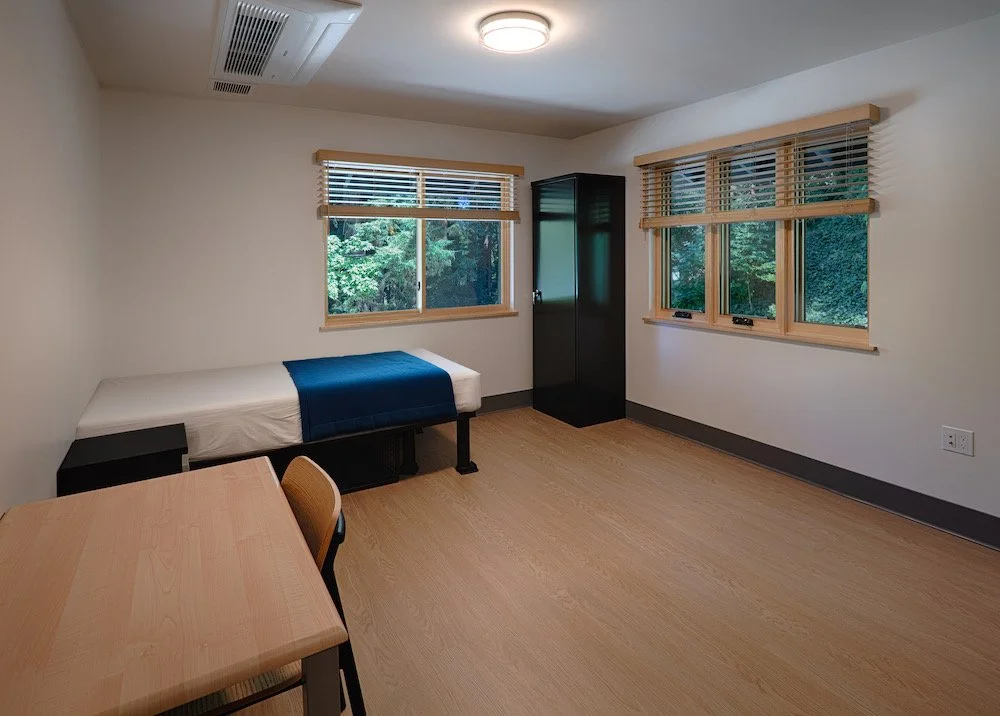
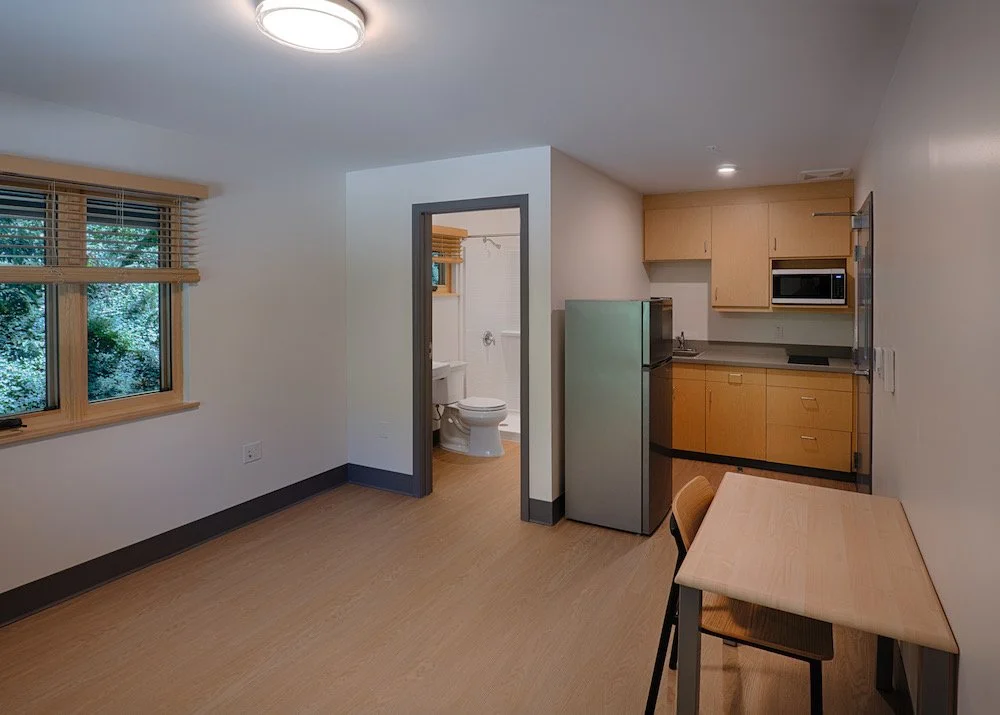
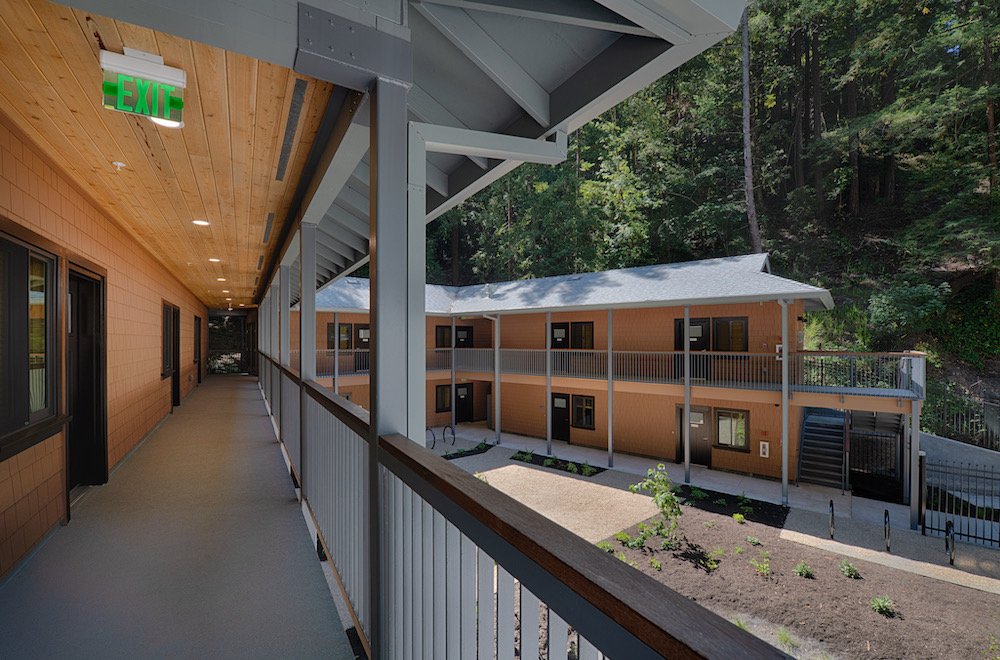
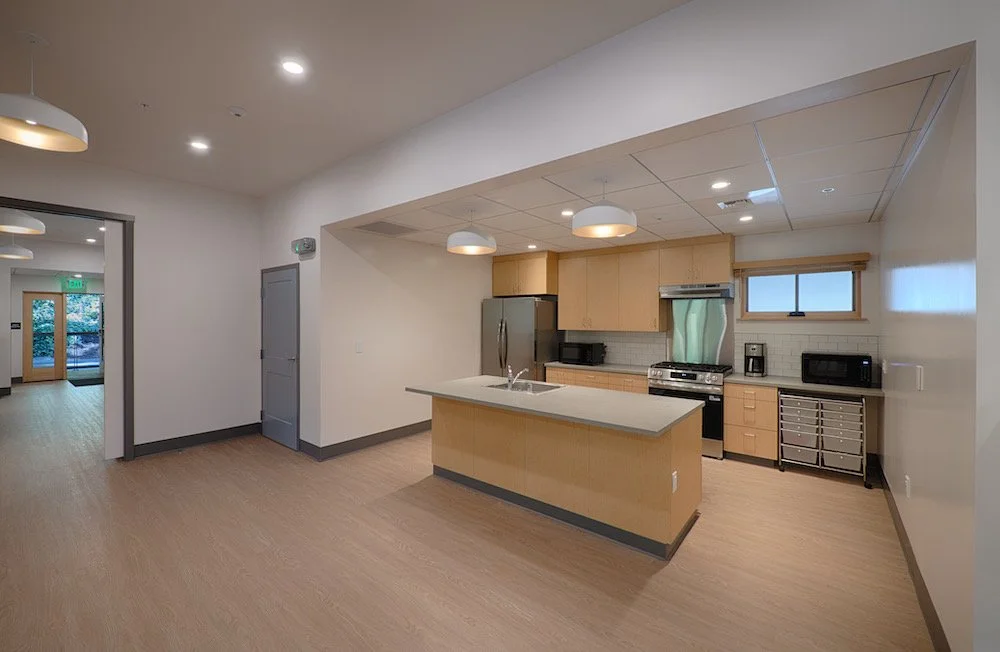
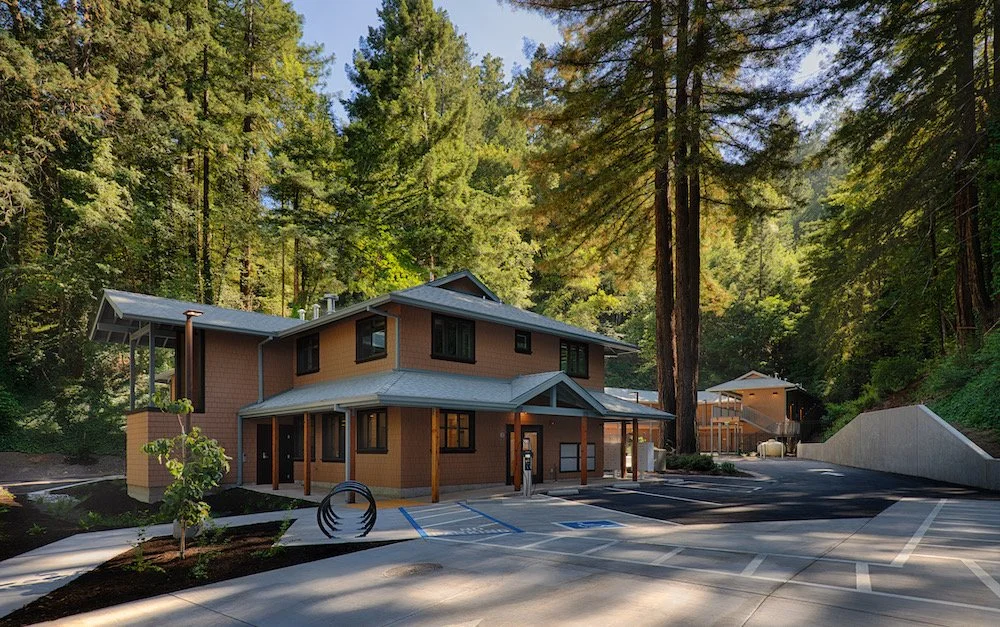
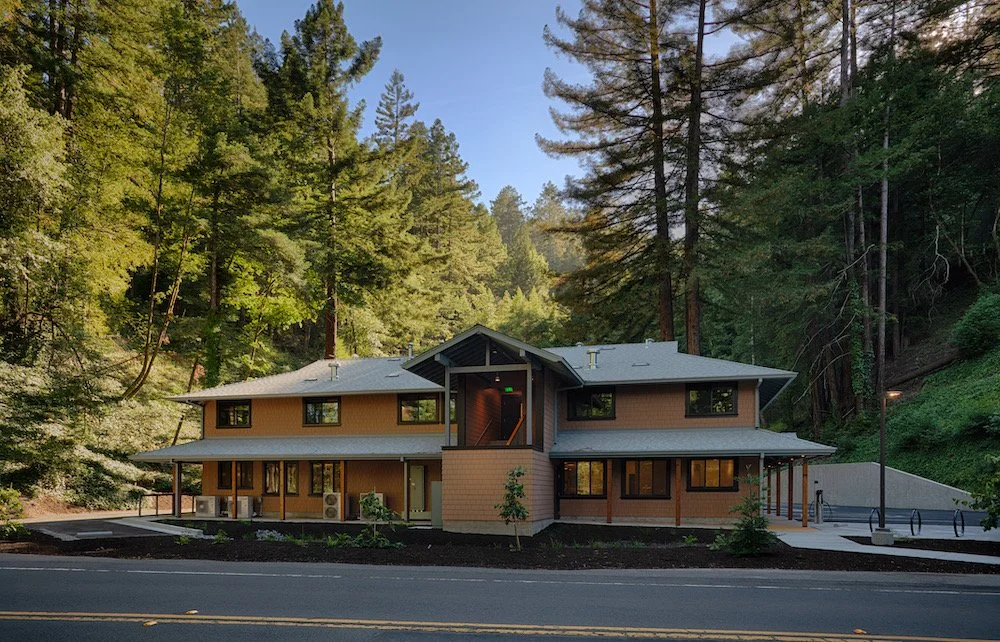
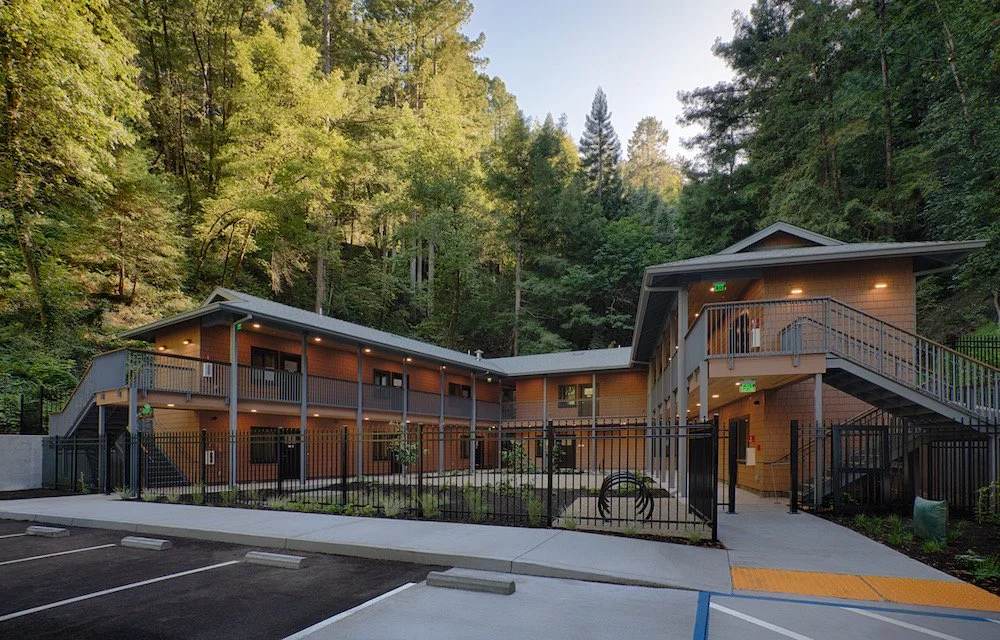
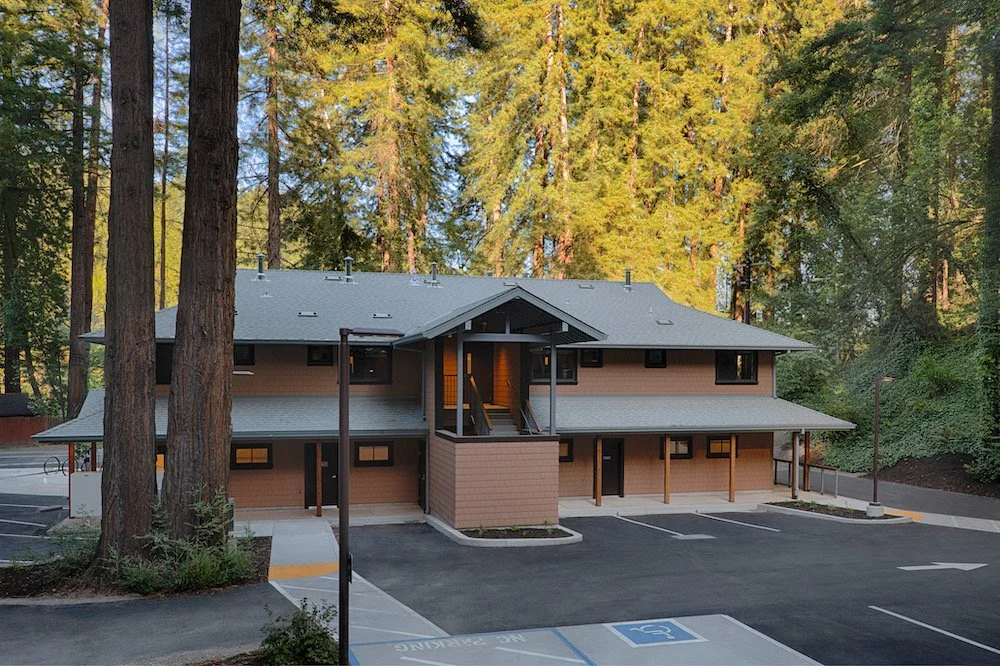
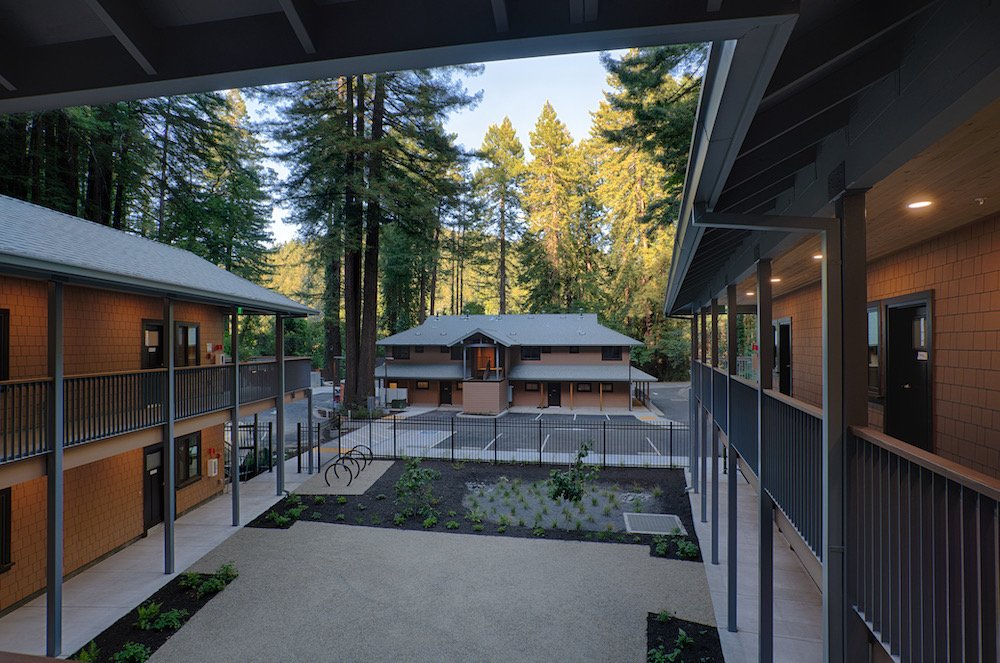
Converting a former tavern and restaurant into permanent supportive housing required the project team to align a new residential program with complex site, utility, solar, and agency requirements. GMH Builders provided preconstruction and construction services under a negotiated GMP, coordinating the work with Burbank Housing, the design team, Caltrans, PG&E, and trade partners. The completed community includes 21 supportive housing units and a navigation center connecting residents with healthcare, case management, housing assistance, employment support, and other essential services.
Project Details:
Client: Burbank Housing
Architect: Praxis Architects
Location: Guerneville, California
Project Name: George’s Hideaway Supportive Housing
Highlights:
Adaptive reuse of a former tavern and restaurant for residential and community-service use
Construction of 21 permanent supportive housing units
Navigation center supporting physical and behavioral healthcare, case management, housing, and employment assistance
PV solar integration and utility coordination with PG&E
Site and access coordination with Caltrans during the Highway 116 stabilization project
FAQs
What is George’s Hideaway supportive housing in Guerneville?
1
George’s Hideaway is a 21-unit permanent supportive housing community developed by Burbank Housing under a Housing First model. GMH Builders converted a former tavern and restaurant into housing and a navigation center that connects residents with physical and behavioral healthcare, case management, housing assistance, employment support, and community services.
What construction services did GMH provide for George’s Hideaway?
2
GMH served as general contractor and provided preconstruction and construction services under a negotiated GMP. The scope included adaptive reuse of the existing commercial property, construction of 21 housing units and service spaces, site and utility coordination, PV solar integration, and coordination with agencies and utility partners near Highway 116.
How did GMH coordinate with Caltrans and PG&E on the project?
3
GMH incorporated agency and utility coordination into construction planning while Caltrans advanced the concurrent Highway 116 stabilization project. The team also coordinated PV solar and utility requirements with PG&E, the owner, and design partners so access, infrastructure, and building work could move forward together.
How does the project support residents beyond housing?
4
The project pairs permanent housing with a navigation center and community services. Residents can access physical and behavioral healthcare, case management, housing assistance, employment assistance, and other support in one setting, reinforcing the Housing First model and creating a stronger foundation for long-term stability.